Blogs


If there’s one household chore most Australians agree on,
It’s this
Cleaning the toilet isn’t anyone’s favourite job.”
Yet it’s one of the most important. From stubborn limescale rings to lingering odours and bacteria you can’t see, the humble toilet bowl cleaner does a lot of heavy lifting in our homes, offices, cafés, and public spaces.
Walk down the cleaning aisle, and you’ll see shelves stacked with liquids, gels, powders, and now tablets. Some promise hospital-grade hygiene, others shout “eco-friendly,” and many look…
Well, pretty similar. So how do you know what actually works?
This guide is written for Australians who want real answers, not marketing fluff. We’ll break down what makes a toilet bowl cleaner effective, whether tablets really work, how “enviro-care” cleaners stack up, and how to choose the best toilet bowl cleaner Australia-wide, whether you’re cleaning one bathroom at home or managing dozens across sites.
What’s the Most Effective Toilet Bowl Cleaner?
Let’s start with the big question.
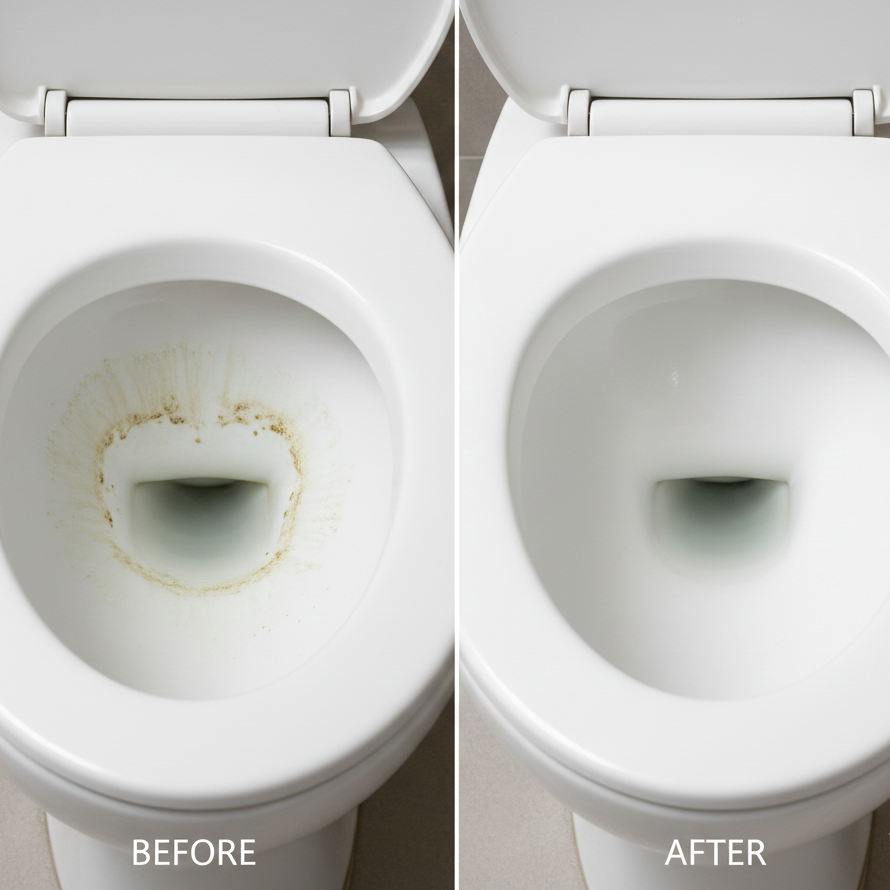
The most effective toilet bowl cleaner is one that does three things consistently:
- Removes stains and limescale
- Kills odour-causing bacteria
- Works with Australian water conditions (often hard or mineral-heavy)
Why Australian toilets are a special case
In many parts of Australia, hard water is common. That means higher mineral content, which leads to:
- Chalky white scale
- Brown or yellow rings
- Faster build-up around the waterline
A cleaner that only smells nice won’t cut it. You need something that actively breaks down mineral deposits and organic waste.
What actually works (not just what sounds strong)
Contrary to popular belief, harsher chemicals don’t always mean better results. In fact:
- Extremely aggressive acids can damage porcelain over time
- Strong fumes make regular cleaning unpleasant and unsafe
- Overuse often leads to unnecessary chemical runoff
The most effective toilet bowl cleaners use targeted formulations with enough acidity to remove scale, combined with surfactants that lift grime and rinse away cleanly.
What Is the Best Thing to Clean a Toilet Bowl With?
Short answer: it depends on how often you clean and what you’re dealing with.
Let’s break down the common options Australians use.
Liquid and gel toilet bowl cleaners
These are the traditional go-to. They:
- Coat the bowl well
- They are easy to find
- Work fast on visible grime
But there are downsides:
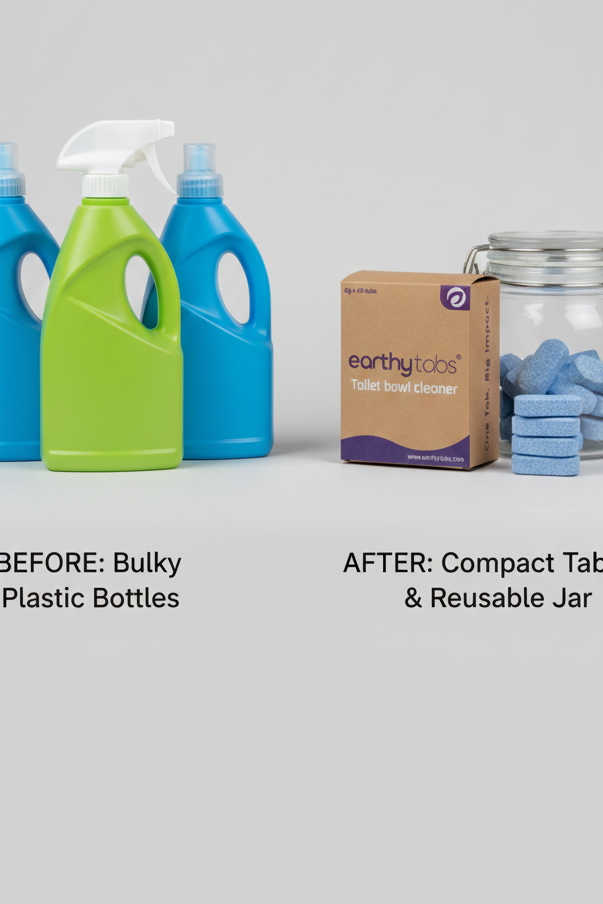
- Bulky plastic bottles
- Easy to overuse (wasted product)
- Strong smells that linger
- Storage issues for small homes or cleaning cupboards
Powder cleaners
Powders can be effective on stains, but:
- Create dust when pouring
- They are harder to dose accurately
- Can feel old-school and messy
DIY solutions (vinegar, baking soda)
These are popular online, but let’s be honest:
- Vinegar can help with light scale
- Baking soda deodorises
However, they’re not disinfectants and won’t handle heavy staining or bacteria in high-use toilets.
Toilet bowl cleaner tablets
This is where things start to get interesting.
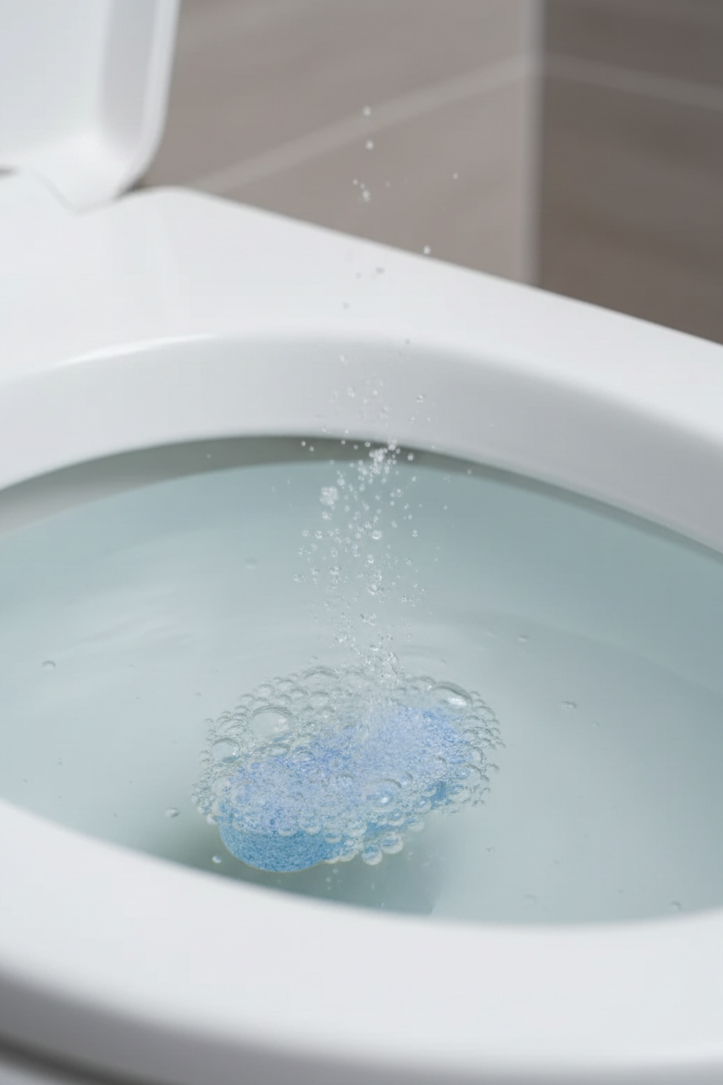
Toilet bowl cleaner tablets dissolve in water to create a ready-to-use solution. They’re becoming popular across Australia for a few reasons:
- Pre-measured (no overdosing)
- Compact and easy to store
- Lower plastic waste
- Consistent results every time
For regular maintenance and modern cleaning routines, tablets are quickly proving themselves as a practical alternative.
Best Toilet Bowl Cleaner Australia: What Really Matters Locally
When choosing the best toilet bowl cleaner in Australia, it’s important to think beyond branding.
1. Water conditions
As mentioned, hard water means you need a cleaner that actively tackles mineral build-up — not just surface dirt.
2. Safety and compliance
Australian households and businesses increasingly look for:
- Safer handling
- Reduced fumes
- Compatibility with septic systems
- Compliance with local cleaning standards
This matters even more in childcare centres, hospitality venues, aged care, and offices.
3. Environmental impact
Australians are becoming more aware of:
- Plastic waste
- Chemical runoff
- Storage and transport emissions
This has pushed demand toward smarter formats that do the same job with less waste.
Toilet Bowl Cleaner Tablets vs Liquid Cleaners
Let’s compare these two honestly – without hype.
Effectiveness
Both formats can be effective if the formulation is right. Tablets today are not the weak, fizzing discs of the past. Many are commercial-grade and designed to:
- Break down limescale
- Clean evenly across the bowl
- Rinse without residue
Ease of use
- Liquids: squeeze, pour, hope you didn’t use too much
- Tablets: drop, dissolve, clean
Tablets remove guesswork, which is why professional cleaners like them.
Storage and handling
One box of tablets can replace multiple bulky bottles. That means:
- Less clutter under sinks
- Easier transport
- Safer storage in shared spaces
Plastic waste
This is a big one. Liquid cleaners usually come in thick plastic bottles that are hard to recycle. Tablets dramatically reduce packaging waste by design.
Cost per clean
Liquids seem cheaper upfront, but overdosing is common. Tablets offer a consistent cost per use, especially valuable for businesses and facility managers.
Envirocare Cleaners: Are They Actually Better?
You’ll see the word “eco” everywhere. But what does it really mean?
The difference between eco-labelled and Enviro-Care cleaners
Some products focus only on:
- Natural fragrances
- Green-looking packaging
True Envirocare cleaners look at the full picture:
- Ingredients
- Packaging
- Transport
- Waste after use
The best ones don’t just reduce harm – they reduce unnecessary volume, plastic, and waste altogether.
Performance still matters
An eco cleaner that doesn’t clean properly just means:
- More scrubbing
- More product used
- More frequent cleaning
That’s not sustainable. The goal is effective cleaning with less waste, not just nicer labels.
Are Toilet Bowl Cleaner Tablets Effective?
This question comes up a lot, especially from people who’ve only used liquids.
The answer:
Yes, when they’re designed properly.
Modern toilet bowl cleaner tablets are:
- Precisely dosed
- Formulated to dissolve fully
- Strong enough for commercial environments
They’re already being used in:
- Hotels
- Offices
- Cafés
- Healthcare and education facilities
For everyday households, they offer a balance of performance, simplicity, and lower impact.
How Often Should You Clean a Toilet Bowl?
For most Australian homes:
- 2 – 3 times per week for light use
- Daily in shared households
For commercial spaces:
- Daily or multiple times per day, depending on traffic
Using a consistent, easy-to-use toilet bowl cleaner makes regular cleaning far more realistic, which is often more important than using the “strongest” product occasionally.
Common Toilet Cleaning Mistakes to Avoid
Even with the best toilet bowl cleaner, these mistakes reduce results:
- Letting the cleaner sit too briefly
- Overusing the product “just in case”
- Mixing different cleaners (dangerous)
- Ignoring the waterline and under-rim area
- Cleaning less often because the product is unpleasant to use
A cleaner that’s easy, safe, and effective encourages better habits – and cleaner toilets overall.
Frequently Asked Questions
What is the safest toilet bowl cleaner for regular use?
A well-formulated cleaner with controlled acidity and clear usage instructions is safest. Tablets reduce exposure by eliminating splashes and fumes from pouring.
Are toilet bowl cleaner tablets septic-safe?
Most modern tablets are designed to dissolve fully and are septic-compatible. Always check product details if you’re unsure.
What do professional cleaners use?
Increasingly, professionals use pre-measured systems like tablets to reduce waste, improve consistency, and simplify logistics.
Can eco cleaners really disinfect toilets?
Yes, effective cleaning doesn’t require excessive harsh chemicals. Proper formulations can clean and deodorise without unnecessary toxicity.
What’s the best toilet bowl cleaner Australia-wide?
The best option is one that balances effectiveness, safety, ease of use, and reduced waste, not just brand recognition.
Rethinking the Toilet Bowl Cleaner
The way Australians clean is changing. We’re moving away from bulky plastic bottles, overpowering fumes, and wasteful dosing toward smarter, simpler systems that still get the job done properly.
Whether you choose liquids or tablets, the key is understanding what actually works for your toilet, your water, and your values.
And once you experience a cleaner that’s easier to use, easier to store, and easier on the environment, it’s hard to go back to the old way of cleaning.
Looking for a modern approach to toilet cleaning?
If you’re exploring toilet bowl cleaner tablets designed for Australian conditions, you can learn more about how dissolvable formats are changing everyday cleaning. With Best Cleaning Products, where cleaning performance and waste reduction go hand in hand.