Blogs


Why plastic waste reduction in Australia matters right now
If you live or work in Australia,
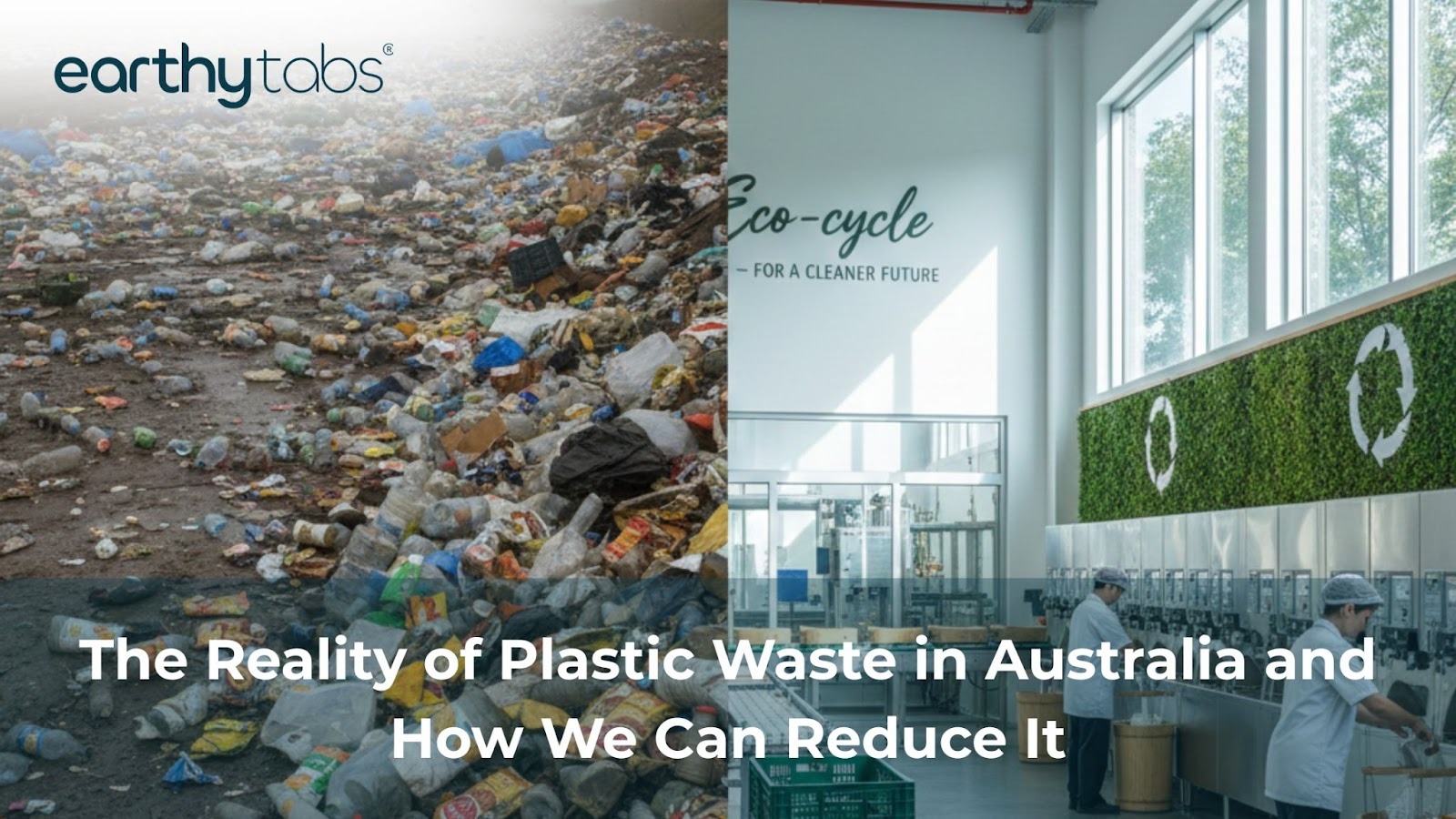
You’ve probably noticed two things at the same time: more awareness around sustainability and more plastic everywhere. From takeaway packaging to cleaning chemicals stored in bulky 5L plastic bottles, plastic waste has quietly become part of everyday life.
Plastic waste reduction in Australia isn’t just an environmental talking point anymore. It’s a practical issue affecting councils, businesses, facility managers, and households alike. With landfill pressures rising and recycling systems under strain,
What is plastic waste reduction?
Plastic waste reduction means preventing plastic from being created, used, or discarded in the first place not just recycling it after use.
In Australia, this includes:
- Avoiding unnecessary single-use plastics
- Replacing high-volume plastic packaging (like 5L plastic bottles) with smarter alternatives
- Designing systems that reduce plastic across supply chains
- Supporting sustainability initiatives that focus on reduction first, recycling second
Recycling is helpful, but reduction has a far bigger impact. Every plastic item avoided is one that never needs to be collected, processed, or dumped.
Why plastic waste management is important in Australia
Australia generates millions of tonnes of plastic waste each year, and only a fraction is successfully recycled. The rest often ends up in landfill or leaks into waterways and oceans.
Plastic waste management matters because it affects:
1. Landfills and local communities
Plastic takes hundreds of years to break down. Once landfill space is filled, new sites must be created, often near communities.
2. Oceans and wildlife
Plastic pollution harms marine life, coastal ecosystems, and Australia’s fishing and tourism industries.
3. Climate impact
Plastic is made from fossil fuels. Producing, transporting, and disposing of plastic contribute to greenhouse gas emissions.
4. Business and compliance risks
For businesses and facility managers, poor waste practices can affect ESG goals, tenders, and public trust.
That’s why plastic waste reduction in Australia is now a priority across government, councils, and private industry.
How can we reduce plastic waste? (The big picture)
Reducing plastic waste isn’t about perfection; it’s about better systems. Here are the biggest levers that actually make a difference:
- Reduce: Use less plastic to begin with
- Reuse: Choose refillable or long-life solutions
- Replace: Switch from plastic-heavy products to low-plastic alternatives
- Redesign: Rethink how products are packaged and distributed
- Measure: Track plastic usage so reductions are visible and provable
These principles apply whether you’re running a household or managing a multi-site facility.
How to reduce plastic waste in Australia: practical steps
1. Cut down on single-use plastics at home
Simple swaps add up quickly:
- Reusable shopping bags and produce bags
- Refillable drink bottles and coffee cups
- Buying in bulk where possible
2. Choose products with minimal packaging
Support brands that actively reduce plastic, not just market themselves as “eco”.
3. Understand local recycling rules
Each council differs. Knowing what actually gets recycled prevents contamination that sends entire bins to the landfill.
4. Avoid unnecessary 5L plastic bottles
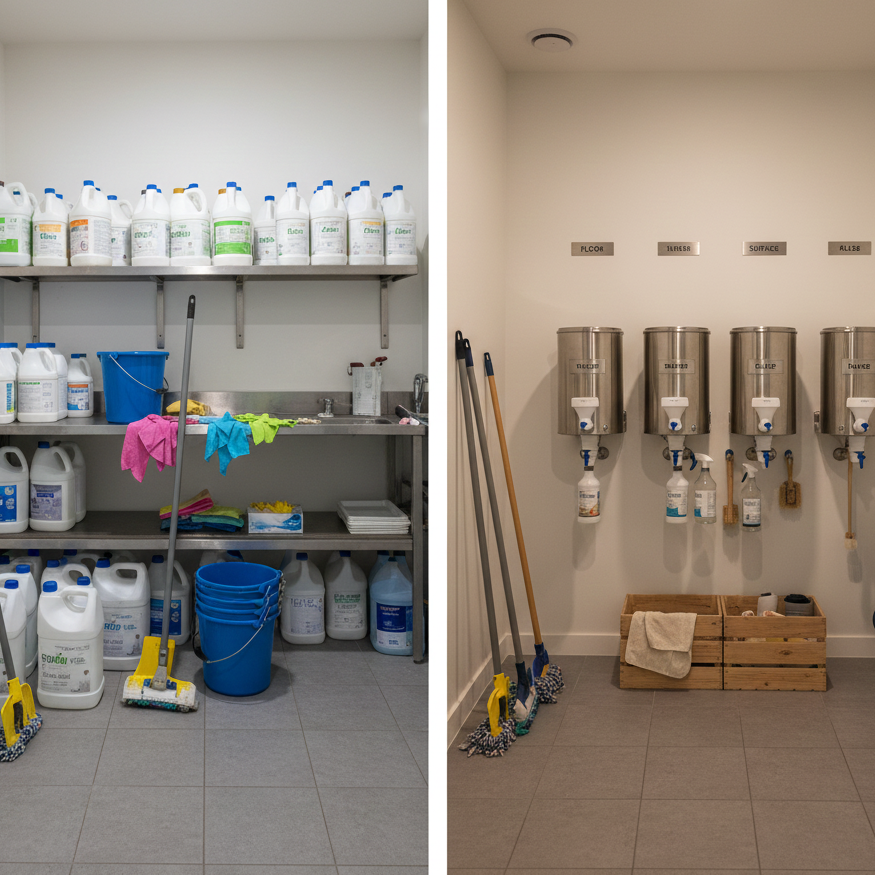
Large plastic containers, especially for cleaning and chemicals, are one of the most overlooked sources of waste in Australia. Reducing them creates an immediate impact.
Facility management sustainability: where big wins happen
When it comes to facility management sustainability, plastic waste reduction is one of the fastest and most visible wins.
Think about offices, hospitals, gyms, hotels, and schools. Many still rely on:
- Dozens (or hundreds) of 5L plastic bottles
- Over-ordering “just in case.”
- Spills, overdosing, and wasted chemicals
Smarter approaches facility managers are using:
- Switching to concentrated or tablet-based systems
- Centralising procurement to avoid duplication
- Reducing storage space dedicated to plastic containers
- Tracking plastic reduction as part of ESG reporting
For facility managers, plastic waste reduction isn’t just environmental; it saves space, money, and time.
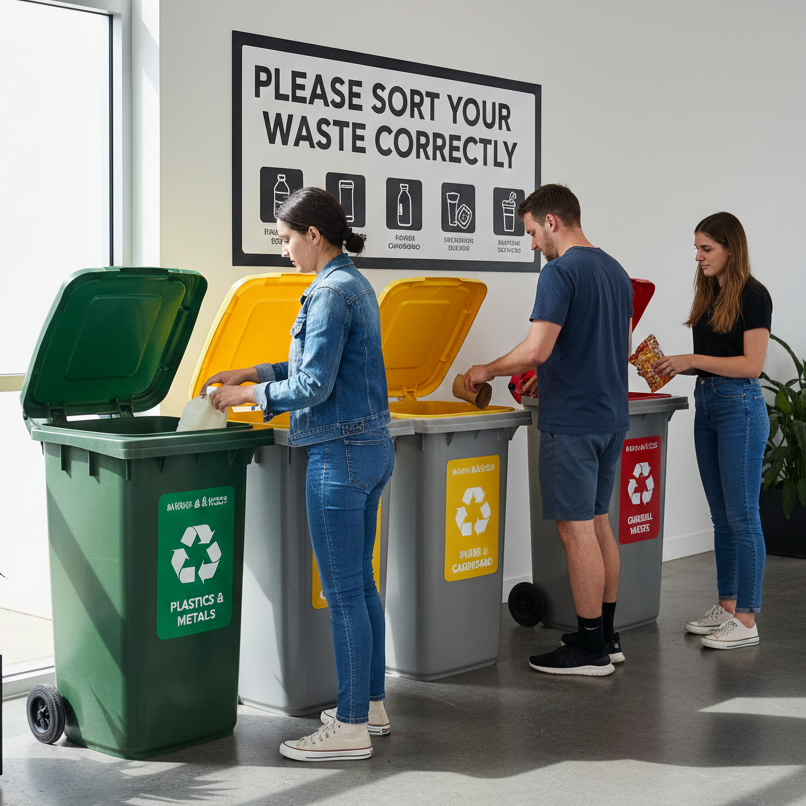
What are 5 ways to recycle plastic effectively?
Recycling still plays a role when done correctly. Here are five practical ways to recycle plastic in Australia:
- Use council-approved recycling bins correctly
Only place accepted plastics inside to avoid contamination. - Participate in soft plastic programs (where available)
Check local availability before collecting. - Return containers through state schemes
States like NSW, VIC, and QLD support container deposit programs. - Recycle commercial plastic responsibly
Businesses should work with licensed waste contractors for bulk plastics. - Avoid wish-cycling
If you’re unsure, don’t recycle it. Incorrect recycling causes more harm than good.
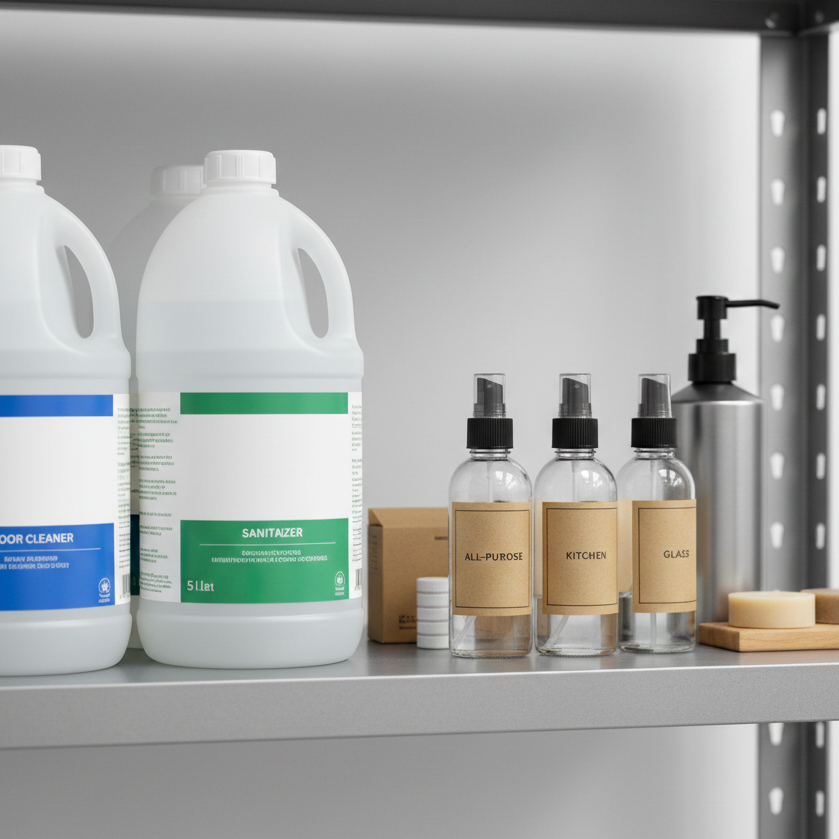
What are 10 ways to reduce waste (beyond recycling)?
Here are 10 realistic ways Australians can reduce waste overall, plastic included:
- Buy only what you need
- Choose durable, long-lasting products
- Avoid over-packaged goods
- Replace disposables with reusables
- Buy refills or concentrates
- Compost organic waste
- Repair before replacing
- Donate or repurpose unused items
- Support local sustainability initiatives
- Measure your waste to improve it
Waste reduction works best when it’s built into daily habits and systems, not treated as an afterthought.
Sustainability initiatives driving change in Australia
Across Australia, sustainability initiatives are shifting from awareness to action. Councils, businesses, and communities are focusing on:
- Plastic bans and phase-outs
- Sustainable procurement policies
- Supplier accountability
- Data-driven sustainability reporting
The biggest shift? Moving away from vague “eco-friendly” claims toward measurable outcomes how much plastic was actually avoided, not just promised.
Related questions Australians often ask
Is recycling enough to solve plastic waste?
No. Recycling helps, but reduction has a far greater impact.
What plastic causes the most waste?
Large-volume packaging, like 5L plastic bottles, and single-use items contribute significantly.
Can businesses really reduce plastic without raising costs?
Yes. Many find that reducing plastic also reduces storage, transport, and purchasing costs.
How do I start plastic waste reduction at work?
Audit your current plastic use, identify high-volume items, and replace them with lower-plastic alternatives first.
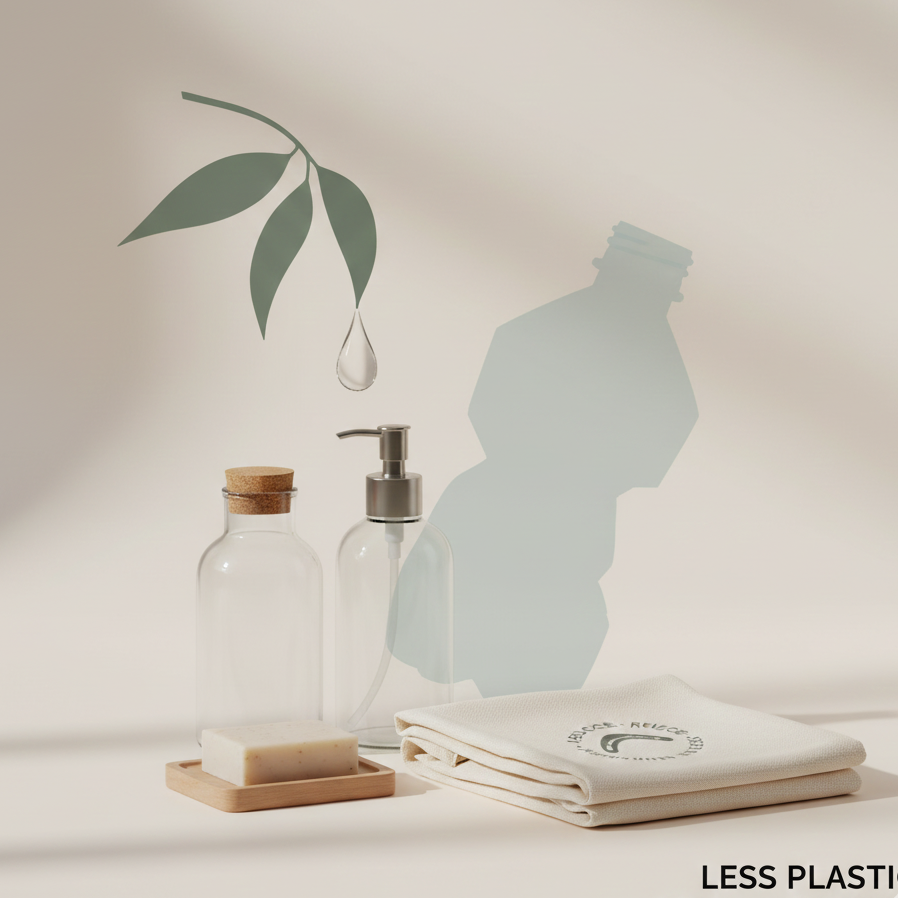
The future of plastic waste reduction in Australia
Plastic waste reduction in Australia is moving toward a clear direction: less plastic, more accountability.
The future belongs to systems that:
- Reduce plastic at the source
- Make sustainability easy to adopt
- Provide clear proof of impact
Whether you’re a household, business owner, or facility manager, the most powerful step is the same: start where the plastic volume is highest.
small changes, massive impact
Plastic waste reduction in Australia doesn’t require radical lifestyle changes. It requires smarter choices, better systems, and a focus on reduction, not just recycling.
Every plastic item avoided is one less problem for landfills, oceans, and future generations. And when those reductions happen at scale across facilities, businesses, and communities, the impact multiplies fast.
If you’re serious about sustainability, start with plastic. It’s one of the clearest places where real change is possible and measurable.
Connect with Plastic Waste Product In Cleaning.